
I suspect I’m not alone in feeling that the first hint of spring over the past few days sparked a joyful urge to get moving again.
Almost instantly, I wanted to get outside, go for a walk, swing a golf club, clean my bike, car or anything else that would require more physical effort than I had expended over the last few frigid months.
The next morning, however, my 58-year-old body reminded me that winter’s dormancy had quietly changed it in ways I hadn’t noticed.
That reminder was pain.
It seemed that in my puppy dog-like exuberance, I had forgotten the golden rule of any new burst of activity; when a long period of inactivity ends, there’s one important step before a new action begins.
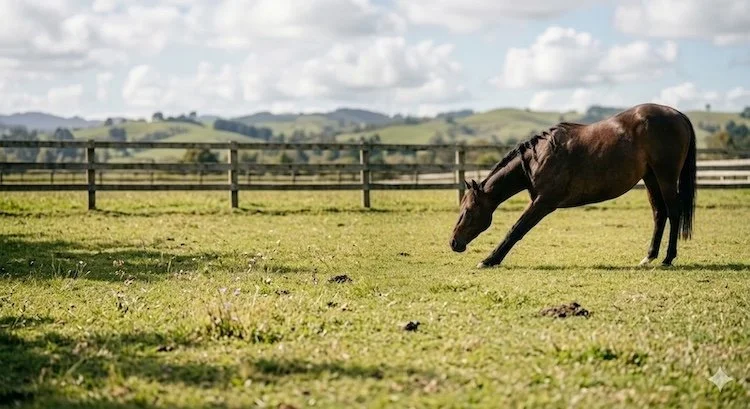
Stretch. Stretch. Stretch.
Our bodies are often a great reminder that even when we leave things alone, change is always occurring.
It’s not so much that my muscles weren’t changing as it was how they were changing, and in what direction. They were shrinking, becoming stiffer and more rigid from the neglect of months of inactivity.
Our minds and hearts are really no different.
I was reminded of that toward the end of last year in my coaching practice.
Throughout much of 2025, I began noticing a pattern.
Clients were seeking new timelines and a different pace, with shorter sessions, more follow-up and support tailored to their evolving needs.
With what I believed was a 20-year track record of success, I found myself resisting. I clung to a comfortable mindset backed by results that had worked for a very long time.
“If it ain’t broke, don’t fix it,” I kept telling myself.
Meanwhile, the data kept piling up, strongly suggesting that while it may not be broke, it’s definitely starting to crack.
The world was changing, and I was being asked to change with it.
What I didn’t realize at the time was that my mind and heart had slowly begun to atrophy.
Charles Darwin’s Origin of Species is often summarized this way: it is not the strongest species that survives, nor the most intelligent, but the one most adaptable to change.
Resilience isn’t really about strength or intellect.
It’s about our ability to bend.
I could easily blame a cold, hard winter for my lack of exercise and the soreness that followed that first burst of activity.
But the truth is, winter didn’t simply happen to me; I was an active participant.
Or in this case, an inactive one.
I could have exercised; I just didn’t.
My struggles in coaching last year came from a similar place.
I resisted the clear signals that what once had worked no longer did. I was clinging to how I thought things should be rather than paying attention to how they actually were.
To move forward, I needed to see that, feel it, and accept it.
And that’s the stretch.
George Bernard Shaw once said, “Progress is impossible without change, and those who cannot change their minds cannot change anything.”
Staying the same is a myth. Our bodies, minds, and hearts are always changing. Even when we dig in and resist, we’re still changing; we’re just becoming more rigid.
Change is inevitable, but direction is optional.
We can dig in and grow brittle, or we can stretch and become more adaptable.
The choice is ours.
This newsletter is the result of one of those stretches, a stretch that I will admit was quite uncomfortable, but one that has renewed my connection to my clients and to my craft.
In this Year of the Horse, I feel revitalized and back in the saddle.
It’s exciting (and a little terrifying.)
Giddyup!
